
Punggol Digital District (PDD)
Designing Water Sustainability for Singapore’s First Smart Enterprise District
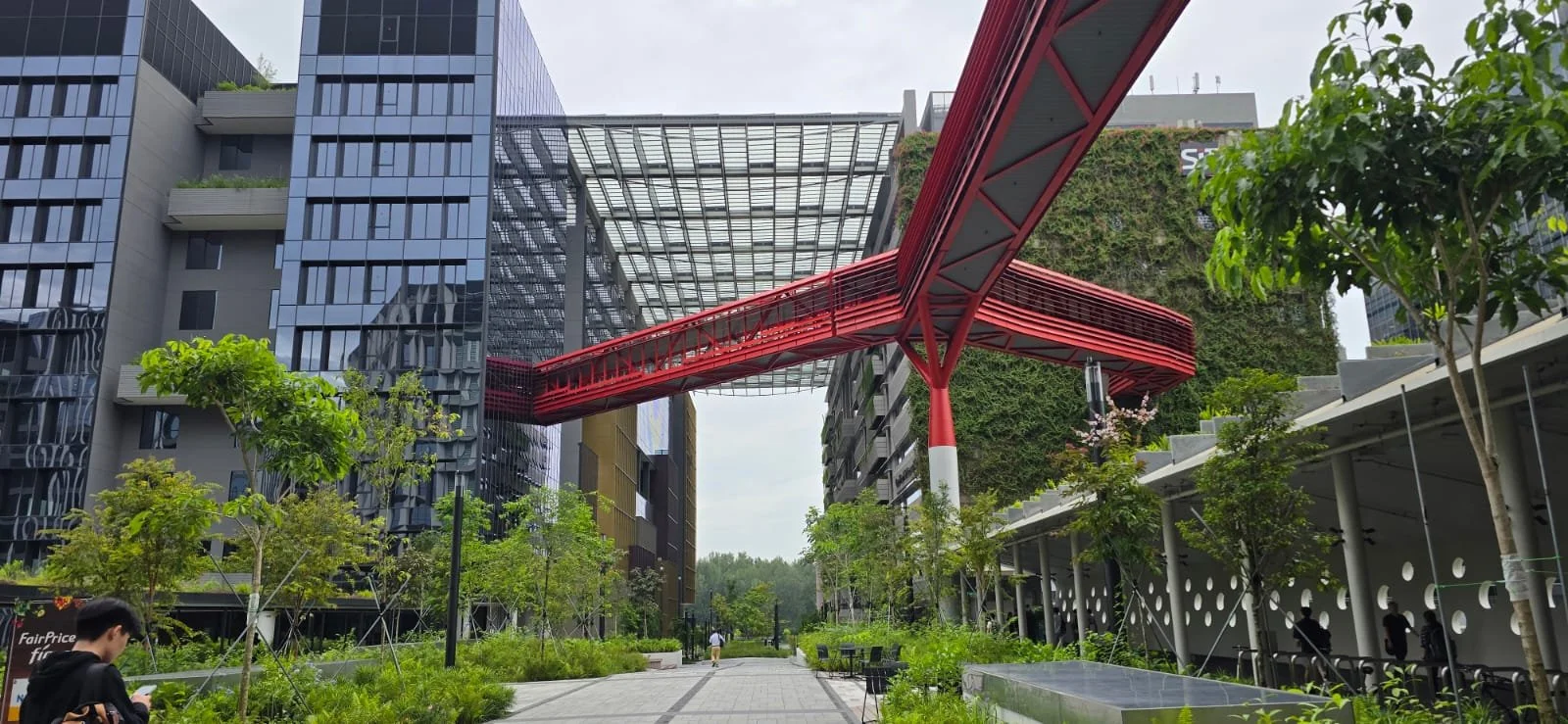
Punggol Digital District - Project Site Documentation
Setting the Context
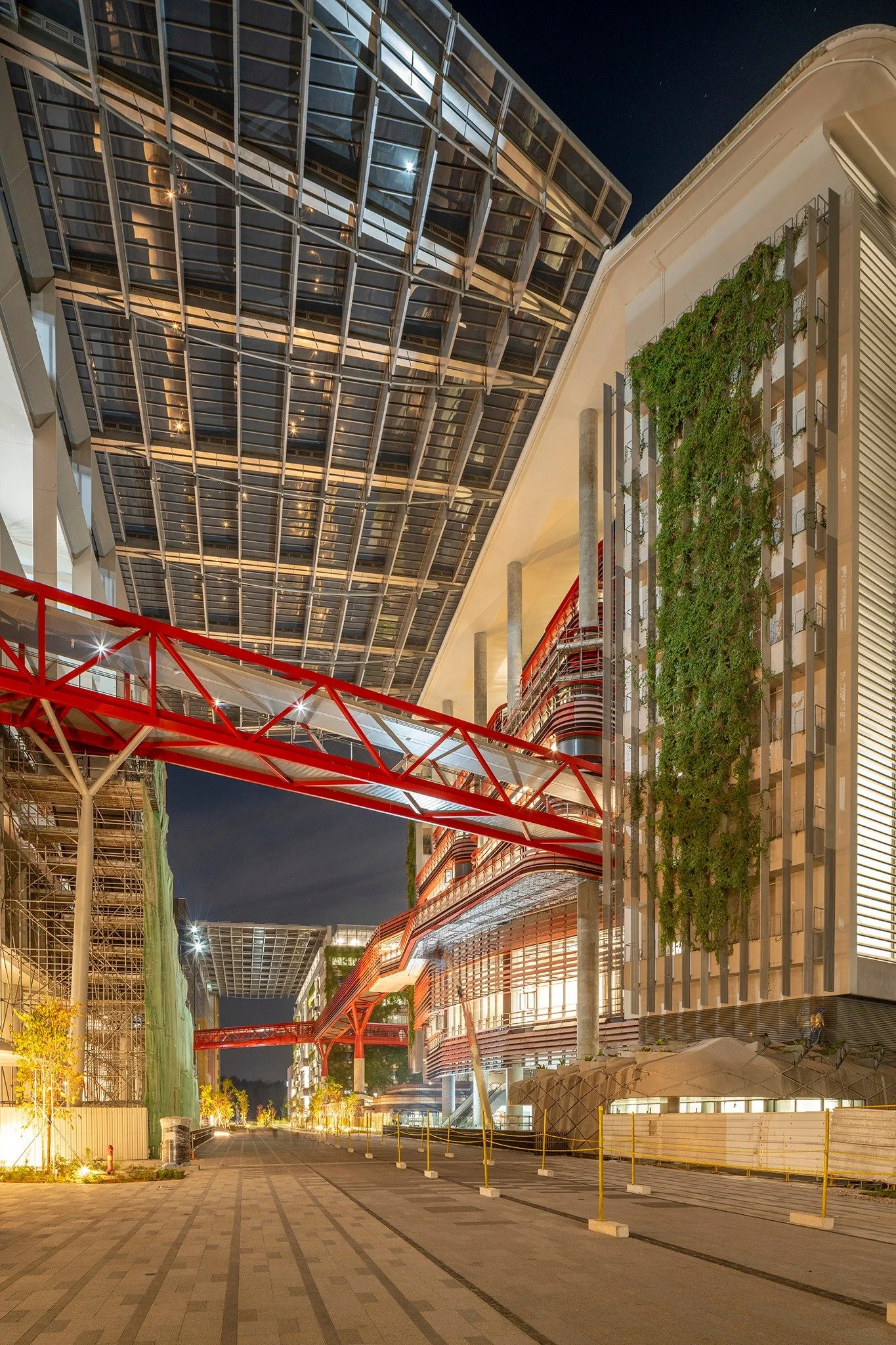
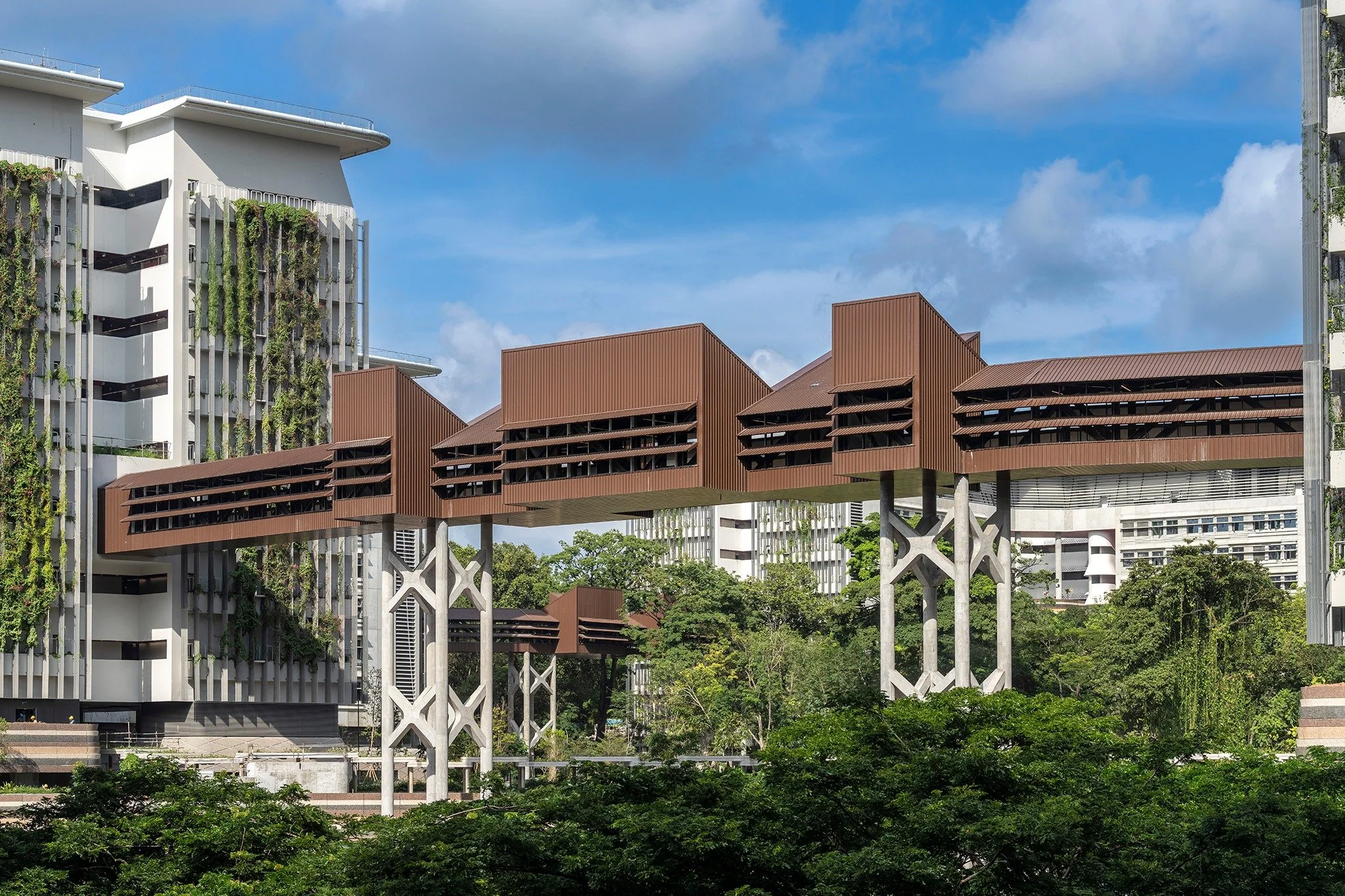
Punggol Digital District (PDD) was envisioned as more than a collection of buildings. Conceived as Singapore’s first smart enterprise district, it was designed to bring together education, business, technology, and community within a single, highly integrated urban campus. The ambition was clear: PDD had to function as a living blueprint for future districts—where sustainability, liveability, and technology are embedded at a district scale rather than applied as isolated features.
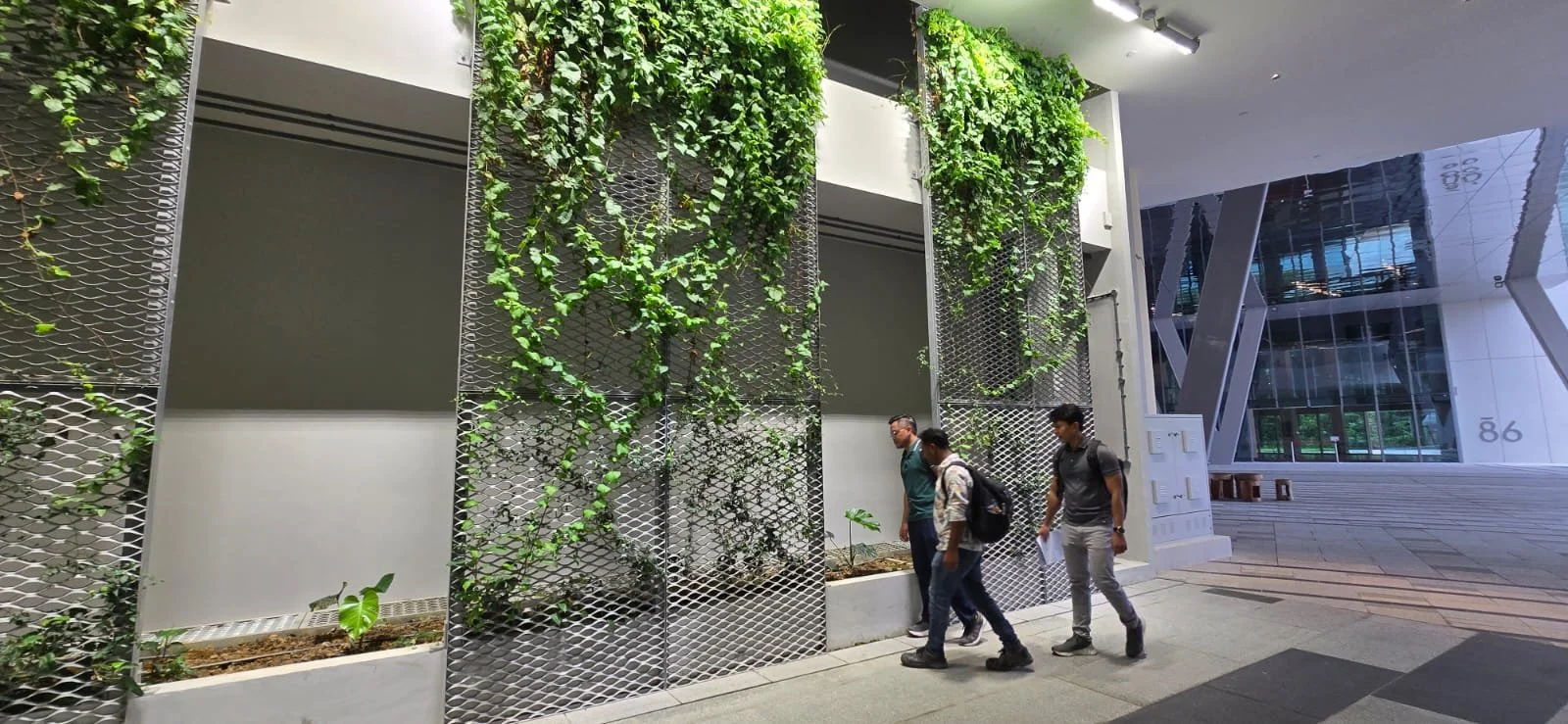
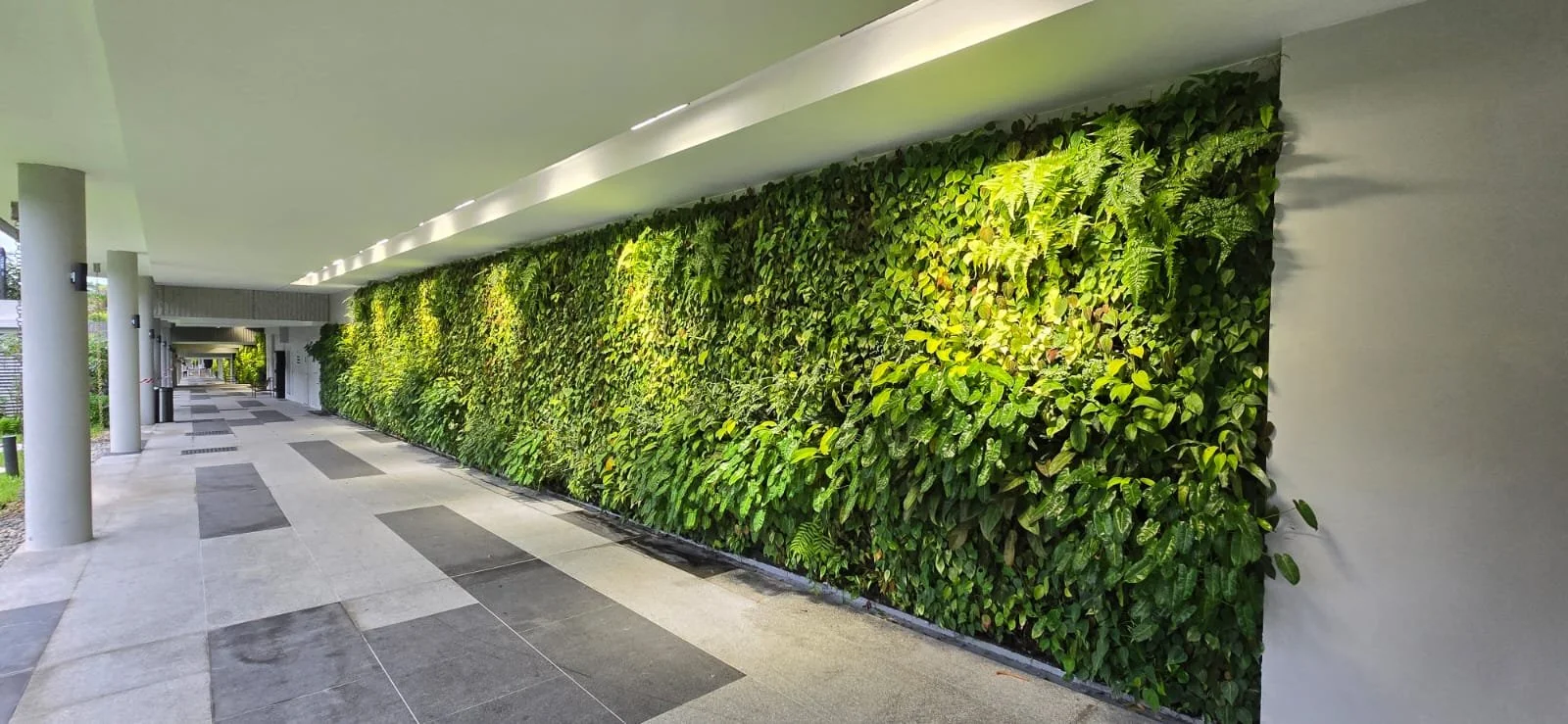
Within this vision, water was a critical design challenge. Extensive greenery across streetscapes, podiums, sky terraces, and rooftops was central to PDD’s identity as a campus-in-a-park. At the same time, the district needed to demonstrate leadership in water efficiency, stormwater management, and compliance with Singapore’s rigorous public-sector sustainability standards.
Netatech was engaged as a specialist partner to help translate these ambitions into a buildable, operational water system—one that could manage heavy tropical rainfall, support multi-level greenery, and reduce reliance on potable water over the long term.
The Challenge: Greenery at Scale, Water Under Constraint
From the outset, the challenge was not simply about irrigation. It was about how water moves through a dense urban district.
PDD spans approximately 50 hectares and integrates multiple buildings, public spaces, and landscape layers. Rain falls intensely and unpredictably. Greenery is distributed vertically—across ground-level parks, elevated decks, cascading terraces, and rooftops. Below ground, space is tightly contested by structural elements, drainage, district cooling, power, and ICT infrastructure.
The district needed a solution that could capture and reuse stormwater on site, meet PUB ABC Waters and BCA Green Mark District requirements, and remain reliable and maintainable once handed over to facilities teams. All of this had to be delivered in step with a complex construction programme involving multiple stakeholders and interfaces.
From Vision to System: Netatech’s Design Approach
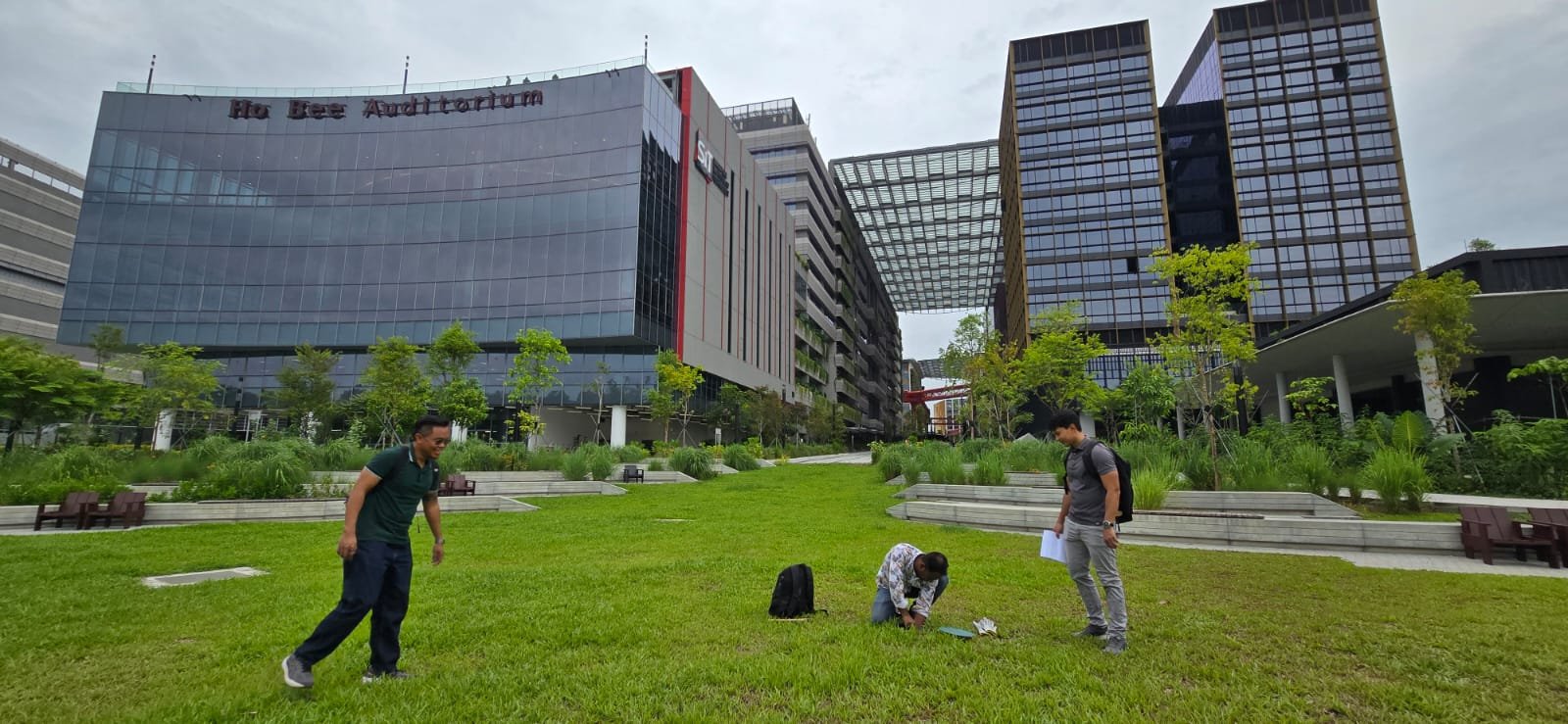
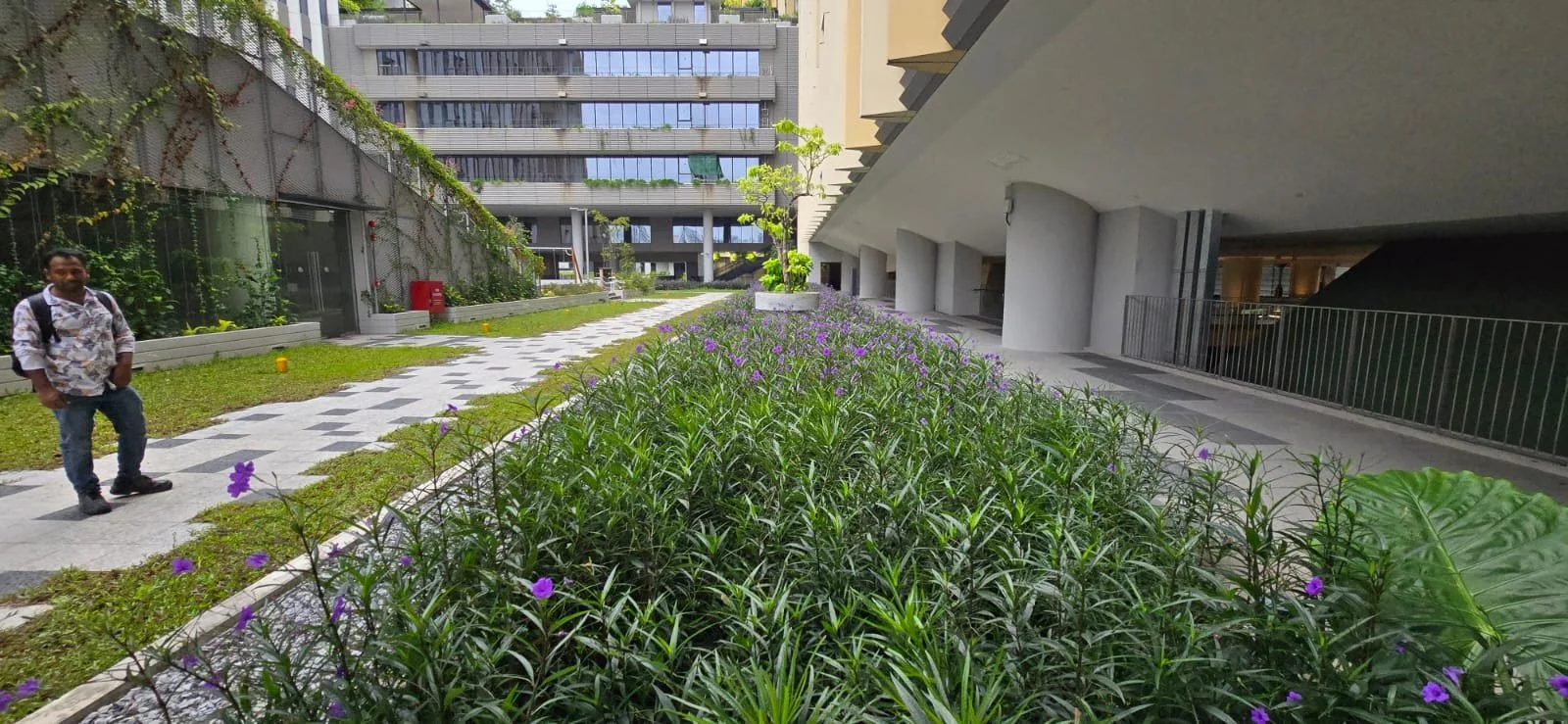
Rain Gardens at PDD - Project Site Documentation
Rather than treating rainwater harvesting, ABC Waters features, and irrigation as separate scopes, Netatech approached PDD as a single, integrated enterprise water system, anchored by its iHydro RWH‑E (Enterprise Rainwater Harvesting) and iHydro IRR‑E (Enterprise Irrigation) architecture.
The iHydro RWH‑E and iHydro IRR‑E platforms are developed by Netaverse, providing the enterprise technology layer that enhances system intelligence, control, and long-term performance across the district. Learn more about iHydro at netaverse.ai
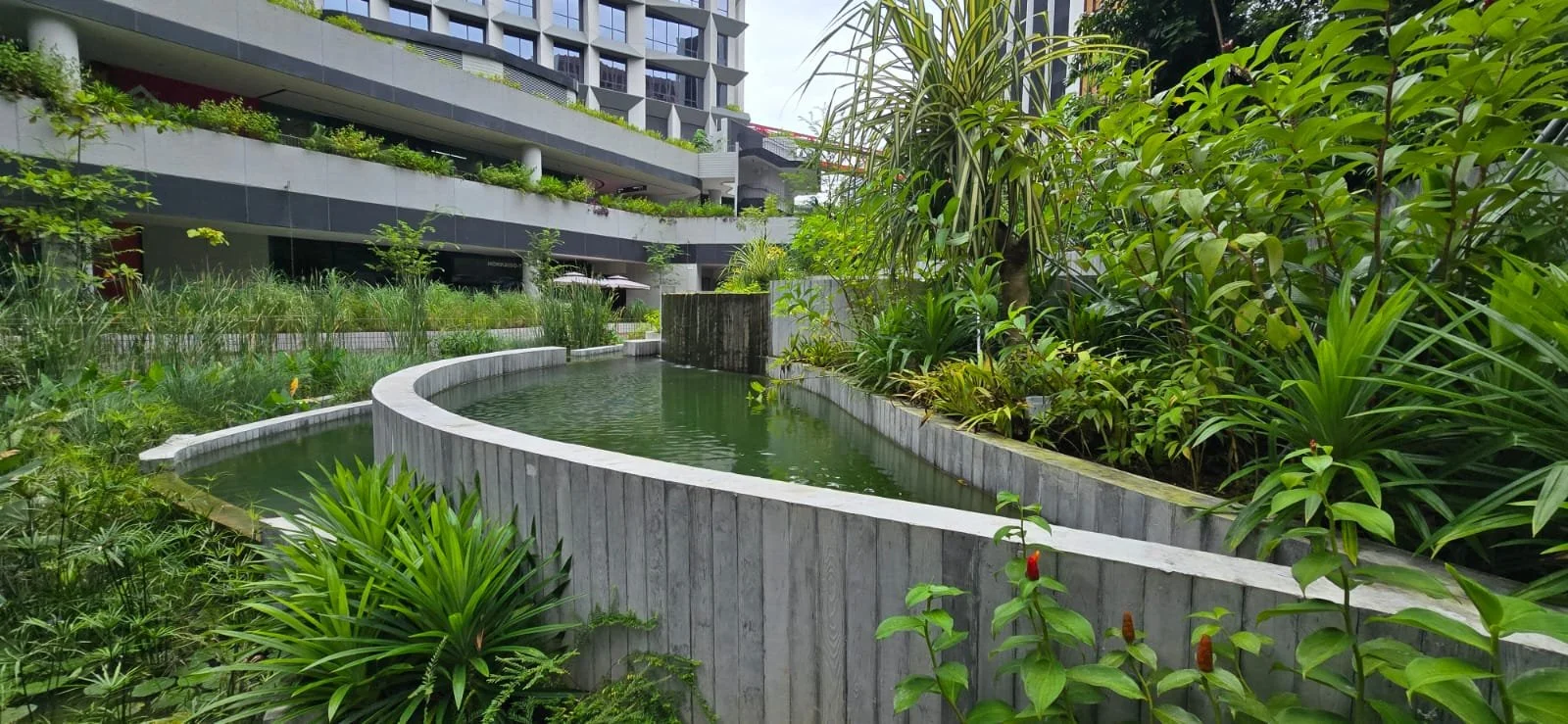
Rainfall from roofs, podium decks, and selected paved areas is first guided into ABC Waters–compliant rain gardens engineered by Netatech. These landscape elements slow down runoff, filter sediments, and improve water quality—while also contributing to the district’s visual and ecological character.
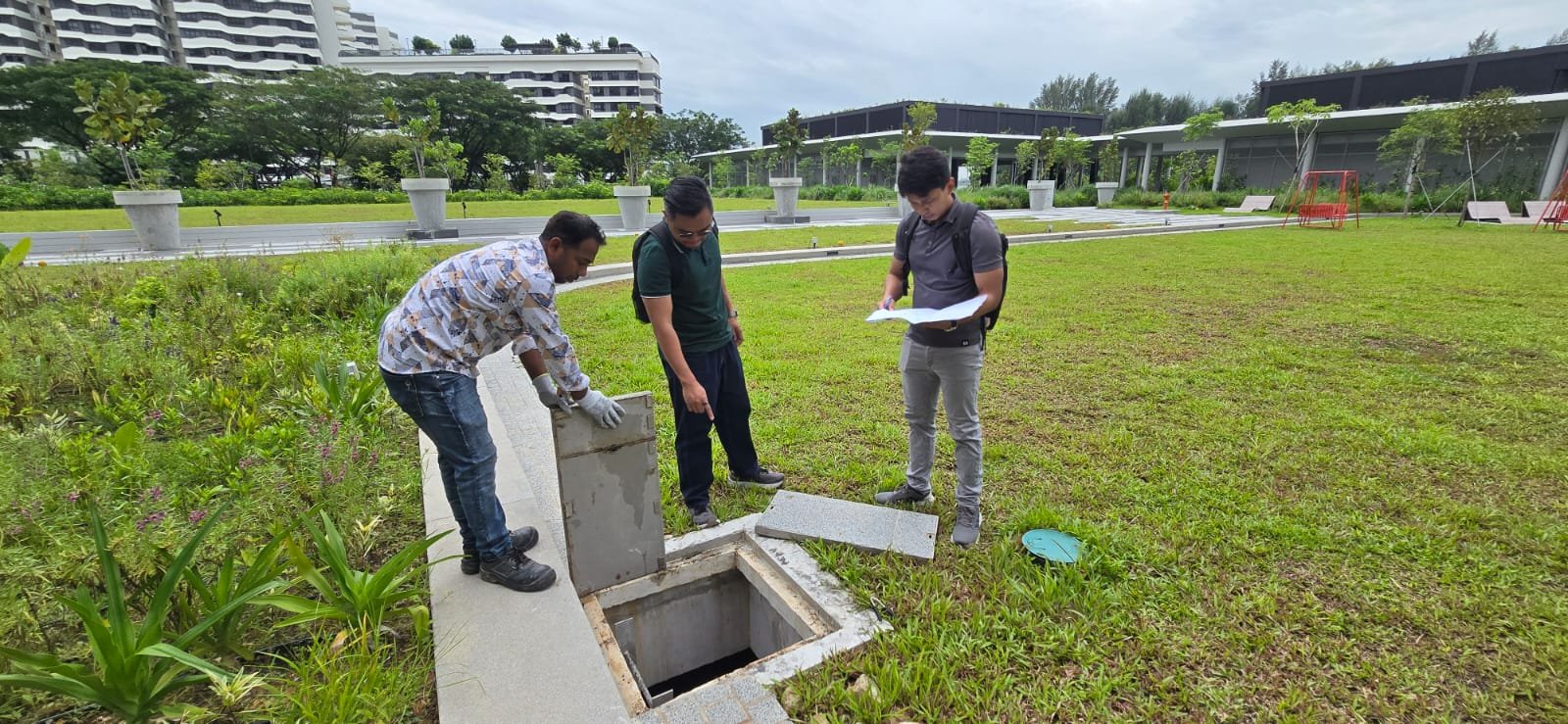
Underground Storage - Project Site Documentation
From the rain gardens, treated stormwater is collected into Netatech-designed underground storage and detention tanks. These tanks serve a dual purpose: managing peak storm flows to reduce flood risk, and providing a reliable non-potable water source for irrigation.
Stored rainwater is then distributed through iHydro IRR‑E, Netatech’s enterprise-grade automatic irrigation platform, serving the district’s diverse landscape conditions. Ground-level planting, podium gardens, sky terraces, and rooftops each have different pressure, flow, and watering requirements. Netatech’s system architecture was designed to recognise these differences—delivering the right amount of water, at the right pressure, to the right place.
Building for Reliability and the Long Term
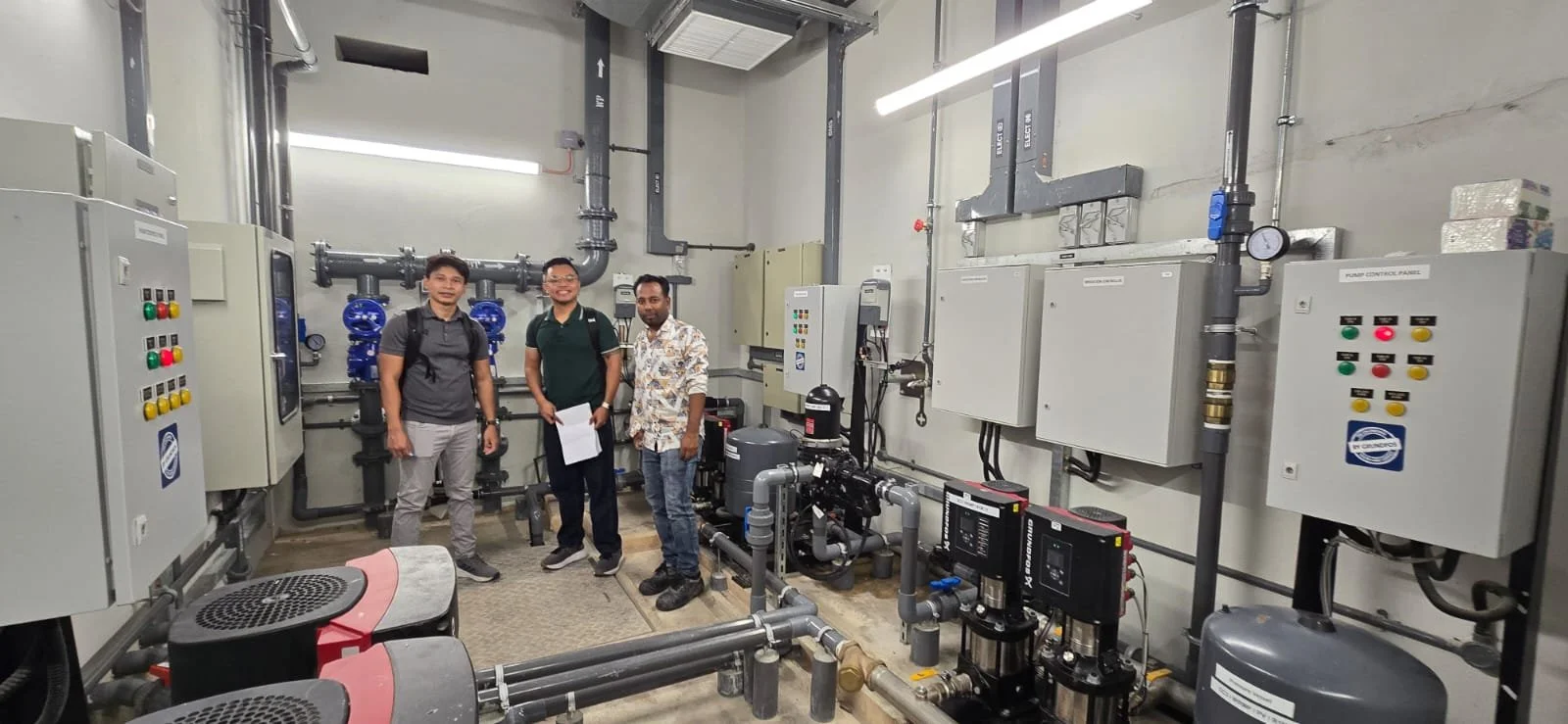
iHydro RWH-E and iHydro IRR-E System - Project Site Documentation
Behind the scenes, the iHydro RWH‑E and iHydro IRR‑E system combines pump sets, filtration units, distribution manifolds, pressure zones, and high-efficiency drip irrigation—engineered to operate reliably at district scale. Wherever possible, drip irrigation was prioritised to reduce evaporation and overspray, particularly in exposed rooftop and terrace environments.
Sensors for tank levels, flow, pressure, and rainfall support smarter control while protecting equipment and simplifying maintenance. Open communication protocols allow the system to be integrated into estate-level building management or smart-district platforms—ensuring the infrastructure remains future-ready rather than locked into a standalone solution.
Equally important was maintainability. Access points, flushing connections, and serviceable filters were deliberately incorporated so that facilities teams could operate the system safely and efficiently long after construction was complete.
Delivering Within a Complex Construction Environment
Netatech’s involvement began early, during concept and preliminary design, and continued through detailed coordination, installation, commissioning, and handover.
One of the greatest challenges was managing elevation changes and pressure requirements across multiple buildings and landscape tiers. Another was coordinating installation sequencing in underground spaces shared with other critical services. These challenges were addressed through modular storage designs, clear pressure zoning, and close coordination with the main contractor, consultants, and client teams.
Regular coordination sessions and shared models helped resolve clashes early and ensured that water infrastructure was aligned with broader construction milestones rather than treated as an afterthought.
Outcomes: A District That Reuses Its Own Rain
Today, the completed system captures, treats, and reuses stormwater across Punggol Digital District—significantly reducing the need for potable water for irrigation.
Multi-level greenery is irrigated reliably and efficiently, supporting plant health, thermal comfort, and the district’s overall liveability. Controlled detention and drainage help manage intense rainfall events, improving safety in public areas and contributing to long-term resilience.
Beyond individual components, the true outcome is a district-scale water system that works quietly in the background—supporting sustainability goals while remaining largely invisible to everyday users.
Lessons and What This Enables Next
PDD reinforced the value of early, integrated planning for water-sensitive urban design, especially in dense, multi-level developments. The combination of rain gardens, underground storage, and smart irrigation proved both adaptable and scalable.
This architecture now serves as a reusable blueprint for future smart campuses, enterprise districts, and large urban developments in tropical, high-rainfall regions. With minor adaptations, it can be extended to additional non-potable uses or enhanced through deeper digital monitoring and optimisation over time.
At Punggol Digital District, Netatech’s role was not just to install systems, but to help shape how water is captured, reused, and managed as part of a living urban ecosystem.
